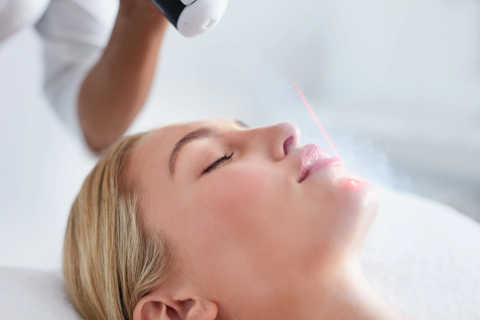
How the treatment works
Non-Ablative Fraxel is a fractional laser that targets deeper collagen layers without removing the skin’s surface. By creating tiny, controlled zones of thermal injury below the epidermis, the treatment encourages the body’s repair processes to remodel collagen and elastin. That remodeling reduces the appearance of fine lines, uneven texture and pigment irregularities while preserving the outer skin barrier.
The trade-off for this deeper action is that results develop over weeks to months as the skin rebuilds. Most sessions at our Longwood location last 30 MINUTES and cost $550. Expect measurable improvement in texture and tone, but no immediate complete overhaul; repeated assessment and follow-up shape the final outcome.
Recovery and aftercare essentials
Non-ablative Fraxel typically causes temporary redness, mild swelling and heightened sensitivity as treated tissue begins healing. Because the epidermis stays largely intact, downtime is limited compared with ablative resurfacing, but sun avoidance and strict photoprotection are essential — particularly in Central Florida’s humid subtropical climate where outdoor recreation and festivals bring strong UV exposure.
Aftercare focuses on protecting the skin while repair occurs: sun avoidance, broad-spectrum sunscreen, and the gentle skincare regimen your provider recommends. Scheduling treatments during the clinic’s busiest months — Oct, Nov, Jan and Feb — is common because cooler, lower-UV periods let clients manage healing indoors and reduce sun exposure risk.
Scheduling and local considerations
Treatment planning is individualized. During consultation we assess skin type, pigmentation, scarring and lifestyle factors — commuting patterns, outdoor activity near Longwood parks, or upcoming local events — to choose an approach that fits your schedule and goals. Clients value experienced hands and clear plans that integrate with work, family obligations and weekend self-care routines.
Because many clients balance commutes on I-4 and nearby SunRail use, the 30 MINUTES session length makes Fraxel convenient for before- or after-work appointments. Our service area includes Longwood, Altamonte Springs, Lake Mary, Sanford, Winter Springs and Casselberry, so timing treatments around seasonal plans and local outdoor events helps protect results.